Our Working Time: 09:00 am To 06:00 pm


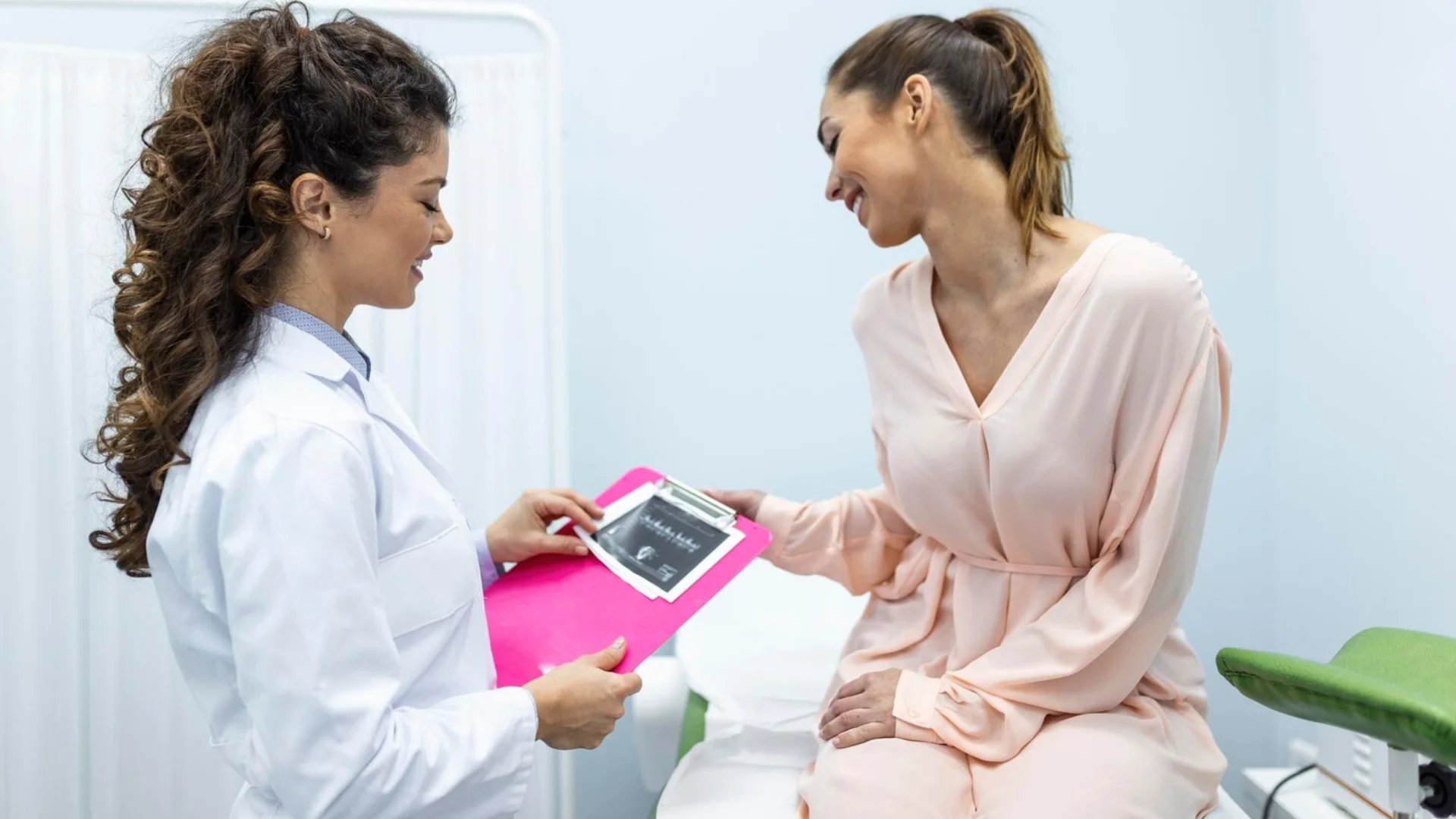
Menopause & HRT Clinic
Expert Private Menopause Care & HRT Consultations Tailored to You
Hot flushes, night sweats, low mood, brain fog, or vaginal dryness — menopause affects every woman differently, and yet too many are left to cope without the right support. At Gynaeaesthetics London, we offer expert private menopause consultations and personalised HRT plans tailored specifically to your symptoms and circumstances — with no long waits, extended appointments, and clinics across Essex and East London.
Understanding Menopause
Menopause is a natural stage of life that marks the end of a woman’s menstrual cycles. It is officially diagnosed after 12 consecutive months without a period and typically occurs between the ages of 45 and 55, though it can happen earlier. The transition leading up to menopause — known as perimenopause — can begin several years before periods stop and is often when symptoms are at their most intense.
While menopause is a normal biological process, the symptoms it causes can be wide-ranging, unpredictable, and in many cases severely disruptive to daily life, work, relationships, and mental health. You do not have to simply endure them.
Stages of Menopause
Perimenopause
The transitional phase leading up to menopause, during which hormone levels begin to fluctuate and decline. Periods may become irregular, and symptoms such as hot flushes, mood changes, and sleep disturbances can begin to appear. This stage can last anywhere from a few months to several years.
Menopause
Confirmed after 12 consecutive months without a period. Oestrogen and progesterone levels have significantly declined, and symptoms are often at their peak during this stage.
Postmenopause
The years following menopause. While some symptoms may ease over time, others — such as vaginal dryness and increased risk of osteoporosis — can persist or worsen without appropriate treatment and management.
Symptoms of Menopause
Menopause symptoms vary widely from woman to woman — some experience only mild changes, while others find their symptoms have a significant impact on every area of their life. Common symptoms include:
- Hot flushes and night sweats
- Irregular or absent periods
- Vaginal dryness, itching, or discomfort during sex
- Low mood, anxiety, or irritability
- Brain fog, poor concentration, or memory difficulties
- Disrupted sleep or insomnia
- Fatigue and low energy
- Reduced libido
- Joint pain or muscle aches
- Headaches or migraines
- Urinary symptoms such as urgency or recurrent infections
- Thinning hair or dry skin
- Weight gain, particularly around the abdomen
If you are experiencing any combination of these symptoms — even if your periods have not yet stopped — it is worth speaking to a specialist.
What Is HRT?
Hormone Replacement Therapy — commonly known as HRT — is the most effective treatment available for menopausal symptoms. It works by replacing the oestrogen and progesterone that naturally decline during menopause, helping to restore hormonal balance and significantly reduce or eliminate symptoms.
HRT is available in several forms including tablets, patches, gels, sprays, and vaginal preparations — and the right type, dose, and combination for you will depend on your individual symptoms, medical history, and personal preferences.
Modern HRT has been extensively researched and for the vast majority of women is both safe and highly effective. The benefits of HRT go beyond symptom relief — it can also help protect against osteoporosis, reduce the risk of cardiovascular disease, and support long-term cognitive health.
Types of HRT
Combined HRT
Containing both oestrogen and progesterone, combined HRT is recommended for women who still have their womb. It can be taken continuously or in a cyclical pattern depending on your stage of menopause and symptoms.
Oestrogen-Only HRT
Recommended for women who have had a hysterectomy and no longer have a womb. It is available in various forms including patches, gels, and tablets.
Local Oestrogen
A low-dose oestrogen applied directly to the vaginal area in the form of a cream, pessary, or ring. It is highly effective for vaginal dryness, discomfort during sex, and urinary symptoms, and can be used safely alongside systemic HRT or on its own.
Testosterone
Although less commonly discussed, testosterone plays an important role in women’s health — particularly in relation to libido, energy, and mood. It may be recommended alongside HRT for some women experiencing specific symptoms.
Is HRT Right for Me?
HRT is suitable for the majority of women experiencing menopausal symptoms, but it is not a one-size-fits-all solution. During your consultation, Mr Mohammad Masood will take a thorough medical history, discuss your symptoms in full, and review any relevant risk factors before recommending the most appropriate treatment for you.
He will also discuss the latest evidence on HRT safety so you can make a fully informed decision about your care — free from the outdated fears and misconceptions that have prevented many women from accessing the help they deserve.
How Are Menopause & HRT Managed at Gynaeaesthetics London?
Your journey begins with an extended private consultation with Mr Mohammad Masood — giving you the time and space to discuss every aspect of your symptoms and concerns without feeling rushed. Following your consultation:
- Blood tests may be arranged to assess hormone levels where appropriate
- A personalised HRT plan will be recommended based on your symptoms and medical history
- Follow-up appointments will be scheduled to review your response to treatment and adjust your prescription as needed
- Ongoing support is available throughout your menopause journey — not just at your first appointment
Beyond HRT — Additional Treatment Options
For women who are unable to take HRT or prefer a non-hormonal approach, Mr Masood can discuss a range of alternative options including:
- Non-hormonal medications for hot flushes and mood symptoms
- Vaginal moisturisers and lubricants for vaginal dryness
- Lifestyle modifications including diet, exercise, and stress management
- Referral for psychological support where appropriate
Why Choose Gynaeaesthetics London?
- Consultant-led menopause care by Mr Mohammad Masood
- Extended appointments — no rushing, no time limits
- Personalised HRT plans tailored to your symptoms
- Full range of HRT types and formulations available
- Non-hormonal alternatives discussed where appropriate
- No GP referral needed
- Same-week appointments available
- Clinics in Hornchurch, Brentwood, and Ilford
- Fully confidential from start to finish
- Consultations from £200
Frequently Asked Questions
Menopause most commonly occurs between the ages of 45 and 55, with the average age in the UK being 51. However, some women experience early menopause before the age of 45, and premature menopause before the age of 40. If you think you may be experiencing early menopause, it is important to seek specialist advice promptly.
For the majority of women, modern HRT is safe and the benefits far outweigh the risks. The decision to start HRT is always made on an individual basis, taking into account your personal medical history and risk factors. Mr Masood will discuss the latest evidence with you openly so you can make a fully informed choice.
Many women notice an improvement in symptoms within a few weeks of starting HRT, though it can take up to three months to feel the full benefit. If your initial prescription is not working well for you, adjustments can be made at your follow-up appointment.
Yes. HRT can be started during perimenopause — even if your periods have not yet stopped — if your symptoms are affecting your quality of life. Mr Masood will recommend the most appropriate type and regimen for your stage of menopause.
If HRT is not suitable for you, there are a number of effective non-hormonal alternatives available. Mr Masood will always ensure you leave your appointment with a clear and personalised plan — whatever your circumstances.
Our Services
Book Your Consultation Today
Don't put it off any longer. Get fast, private, consultant-led care at a clinic near you — with no GP referral needed and appointments often available within the same week.