Our Working Time: 09:00 am To 06:00 pm


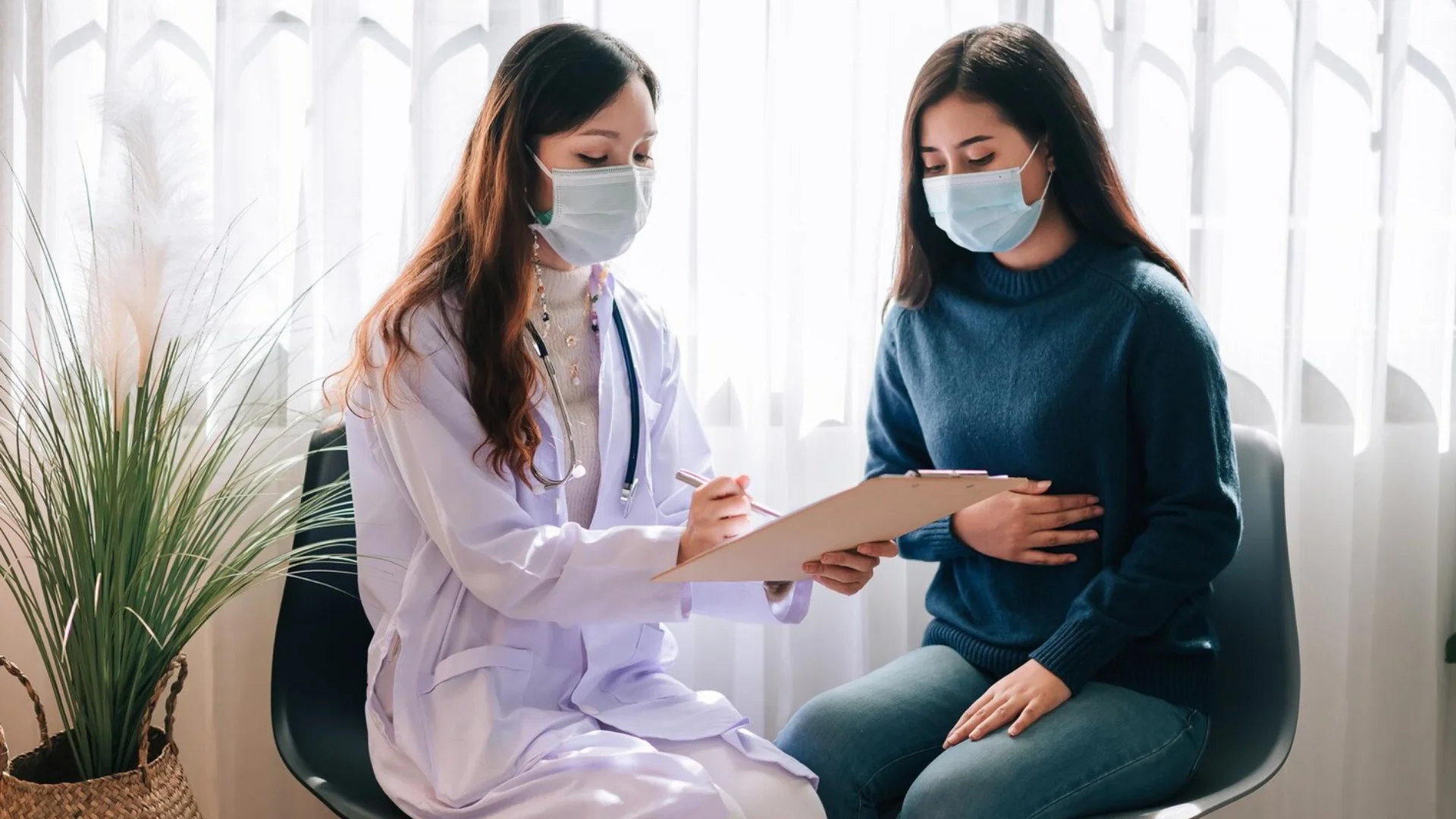
Pelvic Pain Specialist
Expert Private Diagnosis & Treatment for Chronic Pelvic Pain
Pelvic pain is one of the most common yet most misunderstood gynaecological complaints. Whether you experience pain during sex, pain during your period, or a persistent ache that never quite goes away — you deserve answers and effective treatment. At Gynaeaesthetics London, Mr Mohammad Masood specialises in identifying and treating the underlying cause of pelvic pain, with fast private appointments across Essex and East London.
What Is Chronic Pelvic Pain?
Chronic pelvic pain is defined as persistent pain in the lower abdomen or pelvis that lasts for six months or longer. It can be constant or intermittent, mild or severe, and can affect every aspect of daily life — from work and exercise to relationships and mental wellbeing.
Pelvic pain is never something you should simply accept or push through. In many cases it is a sign of an underlying gynaecological condition that can be diagnosed and effectively treated with the right specialist care.
Types of Pelvic Pain
Cyclical Pelvic Pain
Pain that is linked to the menstrual cycle — typically worse during or just before a period. This type of pain is often associated with conditions such as endometriosis, adenomyosis, or fibroids.
Non-Cyclical Pelvic Pain
Pain that is not linked to the menstrual cycle and may be constant or unpredictable. This can be caused by a wide range of gynaecological and non-gynaecological conditions.
Dyspareunia
Pain during or after sexual intercourse. This can be caused by conditions such as endometriosis, vaginismus, ovarian cysts, or hormonal changes affecting vaginal tissue.
Dysmenorrhoea
Painful periods — either primary, where no underlying cause is identified, or secondary, where pain is caused by an identifiable condition such as endometriosis or fibroids.
What Causes Pelvic Pain?
Pelvic pain can have many different underlying causes — and in some cases more than one condition may be contributing to your symptoms. Common gynaecological causes include:
Endometriosis
One of the most common causes of chronic pelvic pain, endometriosis occurs when tissue similar to the womb lining grows outside the uterus. It can cause severe cyclical pain, painful sex, and fertility difficulties.
Fibroids
Non-cancerous growths in or around the uterus that can cause pelvic pressure, pain, and heavy periods.
Adenomyosis
A condition where the womb lining grows into the muscular wall of the uterus, causing significant pelvic pain and heavy periods.
Ovarian Cysts
Larger or more complex ovarian cysts can cause significant pelvic pain or pressure, particularly on one side.
Pelvic Inflammatory Disease (PID)
An infection of the reproductive organs that can cause acute or chronic pelvic pain alongside other symptoms such as unusual discharge or fever.
Adhesions
Scar tissue that forms following surgery, infection, or endometriosis — causing organs to stick together and resulting in chronic pelvic pain.
Vaginismus
Involuntary tightening of the vaginal muscles that can cause significant pain during sex or internal examinations.
Interstitial Cystitis
A chronic bladder condition that can cause persistent pelvic pain, urinary urgency, and discomfort.
How Is Pelvic Pain Diagnosed?
At Gynaeaesthetics London, diagnosis begins with a thorough and unhurried private consultation with Mr Mohammad Masood. He will take a detailed history of your pain — including when it occurs, how long it has been present, and what makes it better or worse — alongside a full review of your medical history and menstrual cycle.
Investigations may include:
- Pelvic ultrasound to assess the uterus, ovaries, and surrounding structures
- Blood tests to check for infection, inflammation, and hormonal imbalances
- Internal examination where appropriate and comfortable for you
- Diagnostic laparoscopy — a minimally invasive keyhole procedure that allows Mr Masood to directly visualise the pelvic organs and identify conditions such as endometriosis or adhesions that cannot always be seen on a scan
Treatment Options
Treatment for pelvic pain is always tailored to the underlying cause and your individual circumstances. Mr Masood will discuss all available options with you in full and together you will agree on the most appropriate plan.
Pain Management
In the short term, appropriate pain relief — including anti-inflammatory medications and hormonal treatments — can help manage symptoms while the underlying cause is investigated and treated.
Hormonal Treatments
For conditions such as endometriosis, adenomyosis, or cyclical pelvic pain, hormonal treatments including the contraceptive pill, progesterone, or the Mirena coil can be highly effective in reducing pain and managing symptoms long term.
Laparoscopic Surgery
For conditions such as endometriosis, fibroids, ovarian cysts, or adhesions, minimally invasive keyhole surgery may be recommended. Mr Masood is an experienced laparoscopic surgeon and can diagnose and treat many conditions during the same procedure — reducing the need for multiple operations and speeding up your recovery.
Treatment for Endometriosis
Endometriosis is one of the most common causes of chronic pelvic pain and requires specialist management. Mr Masood offers both medical and surgical treatment for endometriosis, tailored to the severity of your condition and your fertility goals.
Treatment for Adhesions
Where pelvic adhesions are identified as a cause of pain, surgical division of the adhesions — known as adhesiolysis — can be performed laparoscopically to restore normal anatomy and relieve pain.
Pelvic Floor Therapy
For pain related to pelvic floor dysfunction or vaginismus, referral to a specialist pelvic floor physiotherapist may be recommended alongside medical or surgical treatment.
Psychological Support
Chronic pelvic pain can have a significant impact on mental health and emotional wellbeing. Where appropriate, psychological support or pain management therapy may be recommended as part of a holistic treatment approach.
The Impact of Pelvic Pain on Daily Life
Chronic pelvic pain is far more than a physical symptom. It can affect every area of a woman’s life including:
- The ability to work, exercise, or carry out everyday activities
- Intimate relationships and sexual wellbeing
- Mental health, mood, and emotional resilience
- Sleep quality and energy levels
- Social life and overall quality of life
Many women with chronic pelvic pain have been told their symptoms are normal, exaggerated, or unexplained — and have spent years without a clear diagnosis or effective treatment. At Gynaeaesthetics London, we take pelvic pain seriously and are committed to finding answers for every patient we see.
Why Choose Gynaeaesthetics London?
- Consultant-led care by Mr Mohammad Masood
- Specialist in endometriosis, fibroids, and laparoscopic surgery
- Thorough diagnostic approach including ultrasound and laparoscopy
- Full range of medical and surgical treatment options
- No GP referral needed
- Same-week appointments available
- Clinics in Hornchurch, Brentwood, and Ilford
- Fully confidential from start to finish
- Consultations from £200
Frequently Asked Questions
With private care at Gynaeaesthetics London, investigations can be arranged quickly — often within days of your initial consultation. Conditions such as endometriosis that can take years to diagnose on the NHS can be identified much more rapidly through private assessment and diagnostic laparoscopy.
In many cases, yes. Hormonal treatments, pain management, and pelvic floor therapy can be highly effective for certain conditions. However, where surgery is recommended — such as for endometriosis or adhesions — Mr Masood will always use the least invasive approach possible and discuss all options with you in full beforehand.
Endometriosis is one of the most common causes of chronic pelvic pain, particularly if your pain is cyclical or worsens during your period. It can only be definitively diagnosed through laparoscopy. If you suspect endometriosis, we strongly recommend seeking specialist assessment as early as possible.
While the vast majority of pelvic pain is caused by benign gynaecological conditions, it is always important to get a proper assessment to rule out any serious underlying causes. If you experience sudden, severe pelvic pain — particularly with fever or vomiting — seek urgent medical attention.
Our Services
Book Your Consultation Today
Don't put it off any longer. Get fast, private, consultant-led care at a clinic near you — with no GP referral needed and appointments often available within the same week.