Our Working Time: 09:00 am To 06:00 pm


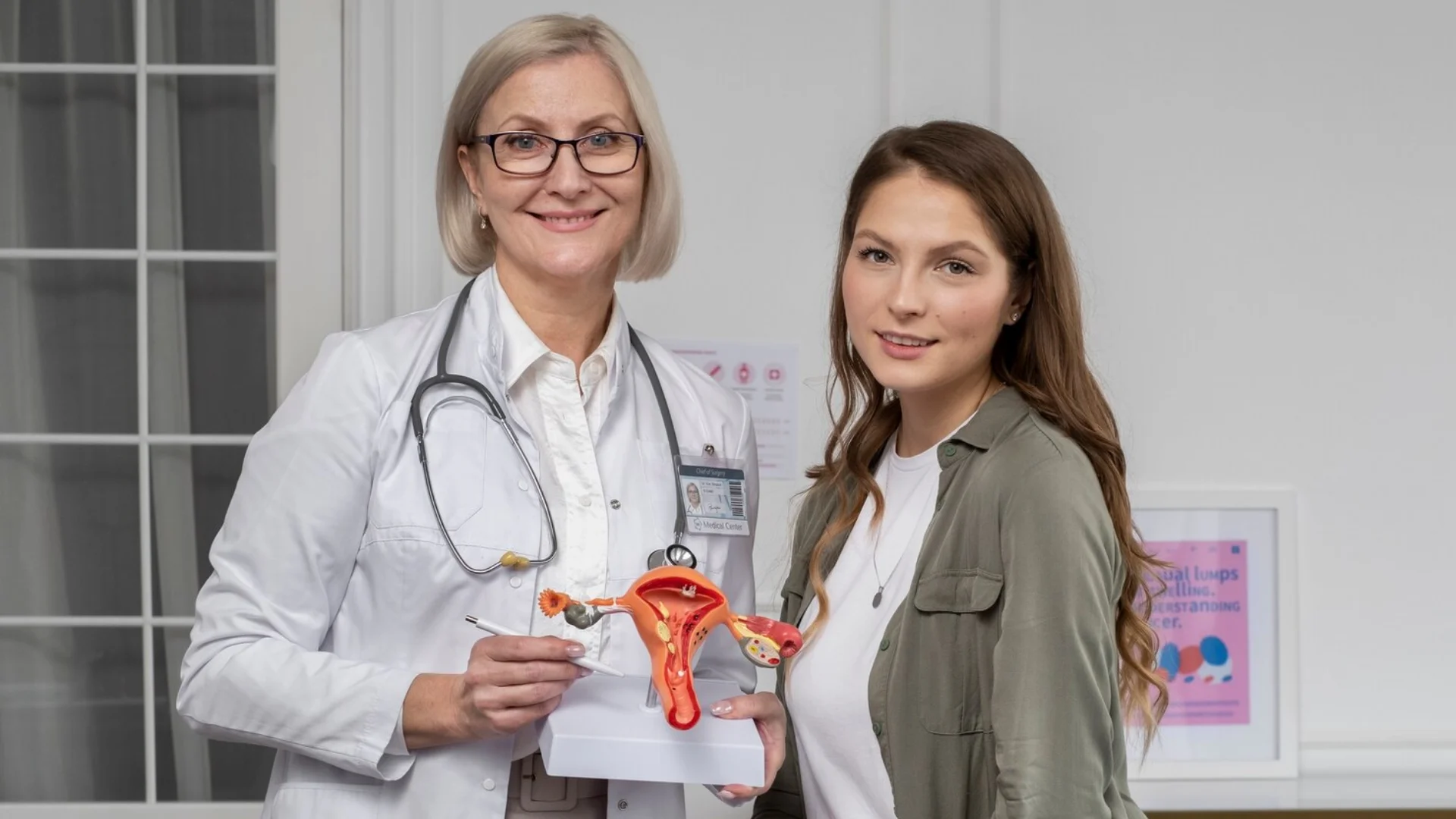
PCOS Specialist
Fast Private Diagnosis & Personalised Treatment for PCOS
Irregular periods, unexplained weight gain, excess hair growth, or difficulty conceiving — these are all signs that something isn't right. If you suspect you have polycystic ovary syndrome, you deserve a clear diagnosis and a treatment plan that actually works for your life. At Gynaeaesthetics London, Mr Mohammad Masood offers fast private PCOS consultations across Essex and East London, with same-week appointments available and no GP referral needed.
What Is PCOS?
Polycystic ovary syndrome — commonly known as PCOS — is one of the most common hormonal conditions affecting women of reproductive age, estimated to affect around 1 in 10 women in the UK. Despite how widespread it is, many women go undiagnosed for years, dismissed with vague explanations or told their symptoms are simply part of being a woman.
PCOS occurs when the ovaries produce higher than normal levels of androgens — often referred to as male hormones — which interfere with the normal development and release of eggs during the menstrual cycle. This hormonal imbalance is responsible for the wide range of symptoms associated with the condition.
PCOS occurs when the ovaries produce higher than normal levels of androgens — often referred to as male hormones — which interfere with the normal development and release of eggs during the menstrual cycle. This hormonal imbalance is responsible for the wide range of symptoms associated with the condition.
What Are the Symptoms of PCOS?
PCOS presents differently in every woman. Some experience only mild symptoms, while others find the condition has a profound impact on their daily life, relationships, and mental wellbeing. Common symptoms include:
- Irregular, infrequent, or absent periods
- Difficulty conceiving or unexplained fertility problems
- Excess hair growth on the face, chest, or back — known as hirsutism
- Thinning hair or hair loss on the scalp
- Oily skin or persistent acne
- Weight gain, particularly around the abdomen
- Difficulty losing weight despite diet and exercise
- Low mood, anxiety, or mood swings
- Fatigue and difficulty concentrating
It is also worth noting that some women with PCOS have no obvious symptoms at all and are only diagnosed when they have difficulty conceiving or during a routine ultrasound scan.
What Causes PCOS?
The exact cause of PCOS is not fully understood, but several factors are known to play a role:
Insulin Resistance
Many women with PCOS have insulin resistance, meaning the body does not respond to insulin effectively. This causes the body to produce more insulin, which in turn stimulates the ovaries to produce excess androgens — worsening hormonal imbalance and contributing to weight gain.
Hormonal Imbalance
Elevated levels of androgens such as testosterone disrupt the normal hormonal cycle, preventing eggs from developing and being released properly. This leads to irregular or absent periods and can significantly affect fertility.
Genetics
PCOS tends to run in families, suggesting a strong genetic component. If your mother or sister has PCOS, you may be at a higher risk of developing the condition yourself.
Chronic Inflammation
Some research suggests that low-grade chronic inflammation may stimulate the ovaries to produce excess androgens, further contributing to the development and progression of PCOS.
How Is PCOS Diagnosed?
There is no single definitive test for PCOS. Diagnosis is typically made using the Rotterdam Criteria, which requires at least two of the following three features to be present:
- Irregular or absent periods
- Evidence of elevated androgen levels — either through symptoms or blood tests
- Polycystic ovaries visible on ultrasound scan
At Gynaeaesthetics London, your consultation with Mr Mohammad Masood will include a comprehensive review of your symptoms and medical history, alongside the following investigations where appropriate:
- Blood tests to measure hormone levels including LH, FSH, testosterone, prolactin, and insulin
- Pelvic ultrasound to assess the appearance of the ovaries and thickness of the uterine lining
- Additional blood tests to rule out other conditions such as thyroid disorders or adrenal conditions that can mimic PCOS symptoms
Many women find that receiving a clear, confirmed diagnosis — after months or years of uncertainty — is itself a significant and empowering first step.
Treatment Options
While there is currently no cure for PCOS, the condition is highly manageable with the right personalised treatment plan. At Gynaeaesthetics London, treatment is always tailored to your specific symptoms, circumstances, and goals — whether that is regulating your periods, managing weight, reducing excess hair, or improving your fertility.
Lifestyle Modifications
For many women with PCOS — particularly those with insulin resistance — targeted lifestyle changes can make a significant difference. Even a modest reduction in weight of 5 to 10 percent can help regulate periods, improve hormone levels, and boost fertility. A balanced diet low in refined carbohydrates combined with regular physical activity forms the foundation of long-term PCOS management.
The Combined Contraceptive Pill
The combined oral contraceptive pill is commonly prescribed to regulate periods, reduce androgen levels, and improve symptoms such as acne and excess hair growth. It is an effective option for women who are not currently trying to conceive.
Metformin
Metformin is a medication that improves the body’s sensitivity to insulin and is widely used in the management of PCOS. It can help regulate periods, support weight management, and improve fertility in women with insulin resistance.
Treatments for Excess Hair & Acne
Medications that reduce the effects of androgens — such as spironolactone — can help address excess hair growth and persistent acne. These may be used alongside topical treatments and other skincare approaches tailored to your needs.
Ovulation Induction for Fertility
For women with PCOS who are trying to conceive, ovulation induction using medications to stimulate the release of an egg is often the first line of treatment. Mr Masood will assess your individual fertility picture and recommend the most appropriate next steps.
Long-Term Health Monitoring
Women with PCOS have a higher risk of developing certain long-term health conditions including type 2 diabetes, high blood pressure, and endometrial cancer. Regular monitoring and a proactive management approach can significantly reduce these risks and protect your long-term health.
The Emotional Impact of PCOS
It is important to acknowledge that PCOS is not just a physical condition. Symptoms such as weight gain, excess hair, acne, irregular periods, and fertility difficulties can have a profound impact on a woman’s mental health, self-esteem, body image, and relationships.
Many women with PCOS experience anxiety, low mood, and feelings of frustration or isolation — particularly when they feel their symptoms have not been taken seriously. At Gynaeaesthetics London, we take every aspect of your wellbeing seriously, and we are here to support you both physically and emotionally throughout your treatment journey.
Why Choose Gynaeaesthetics London?
- Consultant-led care by Mr Mohammad Masood
- Comprehensive PCOS diagnosis including bloods and ultrasound
- Personalised treatment plans tailored to your symptoms and goals
- No GP referral needed
- Same-week appointments available
- Clinics in Hornchurch, Brentwood, and Ilford
- Fully confidential from start to finish
- Consultations from £200
Frequently Asked Questions
There is currently no cure for PCOS, but with the right treatment plan the condition is highly manageable. Many women with PCOS go on to live healthy, fulfilling lives and conceive naturally or with minimal assistance.
PCOS is one of the most common causes of fertility difficulties in women, primarily because it can prevent regular ovulation. However, with appropriate treatment, many women with PCOS are able to conceive successfully.
PCOS is a lifelong condition, but symptoms can change significantly over time — particularly after pregnancy or around menopause. Many women find their symptoms improve with age and the right management plan.
Women with PCOS — particularly those with insulin resistance — have a higher risk of developing type 2 diabetes. Regular monitoring of blood sugar levels and a healthy lifestyle are important parts of long-term PCOS management.
Our Services
Book Your Consultation Today
Don't put it off any longer. Get fast, private, consultant-led care at a clinic near you — with no GP referral needed and appointments often available within the same week.