Our Working Time: 09:00 am To 06:00 pm


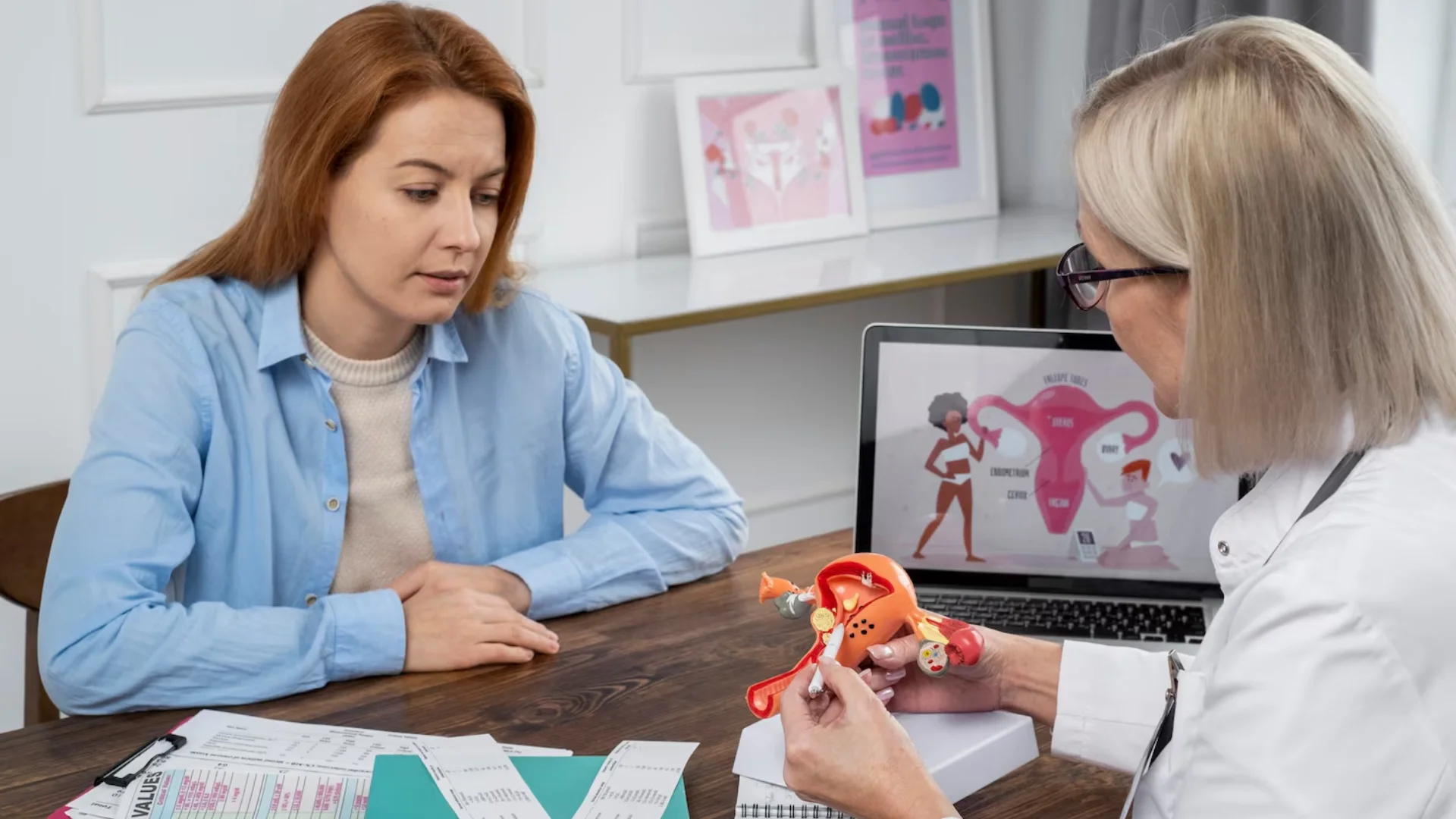
Prolapse Treatment
Private Assessment & Treatment for Pelvic Organ Prolapse
A feeling of heaviness, dragging, or a bulge in the vaginal area can be deeply distressing — but pelvic organ prolapse is more common than many women realise, and effective treatment is available. At Gynaeaesthetics London, Mr Mohammad Masood offers fast private assessment and a full range of treatment options for prolapse, from pelvic floor rehabilitation to surgical repair. Clinics across Essex and East London with no GP referral needed.
What Is Pelvic Organ Prolapse?
Pelvic organ prolapse occurs when one or more of the pelvic organs — including the uterus, bladder, bowel, or vaginal walls — descend from their normal position and push against or into the vaginal canal. This happens when the muscles and connective tissue that support the pelvic organs become weakened or stretched.
Prolapse is extremely common — affecting up to 50 percent of women who have given birth — and while it is rarely dangerous, it can cause significant discomfort, embarrassment, and a reduced quality of life. The good news is that with the right treatment, symptoms can be significantly improved or resolved entirely.
Types of Pelvic Organ Prolapse
Cystocele — Bladder Prolapse
The most common type of prolapse, occurring when the bladder pushes against the front wall of the vagina. It can cause urinary symptoms such as leaking, urgency, or difficulty emptying the bladder fully.
Rectocele — Bowel Prolapse
Occurs when the rectum pushes against the back wall of the vagina. It can cause difficulty with bowel movements, a feeling of incomplete emptying, or the need to manually support the vaginal area to open the bowels.
Uterine Prolapse
Occurs when the uterus descends into the vaginal canal. In more severe cases the uterus may protrude outside the vaginal opening entirely. Symptoms include a dragging sensation, pelvic pressure, and discomfort during sex.
Vault Prolapse
Can occur following a hysterectomy, when the top of the vagina — known as the vault — collapses downward. It can cause similar symptoms to uterine prolapse.
Enterocele
Occurs when the small bowel pushes against the upper portion of the vaginal wall, causing a bulge and pelvic pressure.
Symptoms of Pelvic Organ Prolapse
Symptoms of prolapse can vary depending on the type and severity. Common symptoms include:
- A feeling of heaviness, pressure, or dragging in the pelvis
- A visible or palpable bulge in or outside the vaginal opening
- Discomfort or pain during sexual intercourse
- Urinary symptoms including leaking, urgency, or difficulty emptying the bladder
- Difficulty with bowel movements or a feeling of incomplete emptying
- Lower back pain or pelvic aching
- A sensation that something is falling out of the vagina
- Symptoms that worsen after prolonged standing or physical activity
Many women feel embarrassed to seek help for prolapse symptoms — but it is important to know that this is an extremely common condition and one that our team treats with the utmost sensitivity and respect.
What Causes Pelvic Organ Prolapse?
Prolapse occurs when the pelvic floor muscles and supporting ligaments become weakened or overstretched. Common causes and risk factors include:
- Vaginal childbirth — particularly after a long or difficult labour, a large baby, or an instrumental delivery
- Multiple pregnancies
- The menopause — declining oestrogen levels cause the pelvic floor tissues to weaken over time
- Chronic constipation and straining
- Heavy lifting or high-impact exercise over a prolonged period
- Being overweight or obese
- A family history of prolapse
- Previous pelvic surgery
How Is Prolapse Diagnosed?
At Gynaeaesthetics London, diagnosis begins with a thorough private consultation with Mr Mohammad Masood. He will take a detailed history of your symptoms and risk factors before carrying out a gentle internal examination to assess the type and severity of your prolapse.
Further investigations may include:
- Pelvic ultrasound to assess the pelvic organs and surrounding structures
- Urodynamic testing where urinary symptoms are a significant concern
- MRI scan where additional detail is required prior to surgical planning
Treatment Options
Treatment for pelvic organ prolapse depends on the type and severity of your prolapse, your symptoms, your age, and whether you are planning a future pregnancy. Mr Masood will discuss all available options with you and recommend the most appropriate course of action.
Pelvic Floor Rehabilitation
For mild to moderate prolapse, a structured pelvic floor exercise programme — guided by a specialist pelvic floor physiotherapist — can significantly strengthen the supporting muscles and reduce symptoms. This is often the first line of treatment and can make a meaningful difference when done correctly and consistently.
Pessary Fitting
A vaginal pessary is a removable device inserted into the vagina to support the prolapsed organs. It is a highly effective non-surgical option for women who prefer to avoid surgery, are not yet ready for an operation, or for whom surgery is not appropriate. Mr Masood offers private pessary fitting and ongoing management at our clinics across Essex and East London.
Hormonal Treatment
For women going through or past menopause, topical oestrogen applied to the vaginal area can help strengthen and restore the pelvic floor tissues — improving symptoms and supporting other treatments.
Surgical Repair
For more significant prolapse or where conservative treatments have not provided sufficient relief, surgical repair may be recommended. Mr Masood performs minimally invasive laparoscopic prolapse repair procedures including:
- Anterior repair — to correct a bladder prolapse
- Posterior repair — to correct a bowel prolapse
- Sacrocolpopexy — a keyhole procedure to support the vaginal vault following hysterectomy
- Uterine suspension — to restore the uterus to its normal position without removal
Surgical options are always discussed in full, including the benefits, risks, and recovery process, before any decision is made.
Why Choose Gynaeaesthetics London?
- Consultant-led care by Mr Mohammad Masood
- Full range of non-surgical and surgical treatment options
- Private pessary fitting and ongoing management
- Experienced laparoscopic prolapse surgeon
- No GP referral needed
- Same-week appointments available
- Clinics in Hornchurch, Brentwood, and Ilford
- Sensitive and discreet approach throughout
- Fully confidential from start to finish
- Consultations from £200
Frequently Asked Questions
Pelvic organ prolapse is rarely dangerous but can cause significant discomfort and affect your quality of life. It is always worth getting a proper assessment so the right treatment can be put in place.
Without treatment, prolapse can sometimes worsen — particularly after menopause or with ongoing risk factors such as chronic constipation or heavy lifting. Early assessment and appropriate management can help prevent progression.
Not necessarily. Many women with prolapse are successfully managed with pelvic floor exercises, a pessary, or hormonal treatment. Surgery is only recommended when conservative treatments have not provided sufficient relief and the prolapse is significantly affecting quality of life.
If you are planning a future pregnancy, this will be taken into account when recommending treatment. Surgical repair is generally advised after completing your family, as pregnancy and childbirth can affect the outcome of surgical correction.
Recovery varies depending on the type of procedure performed. Mr Masood will give you a clear and realistic picture of what to expect during your consultation, including any activity restrictions and follow-up care required.
Our Services
Book Your Consultation Today
Don't put it off any longer. Get fast, private, consultant-led care at a clinic near you — with no GP referral needed and appointments often available within the same week.