Our Working Time: 09:00 am To 06:00 pm


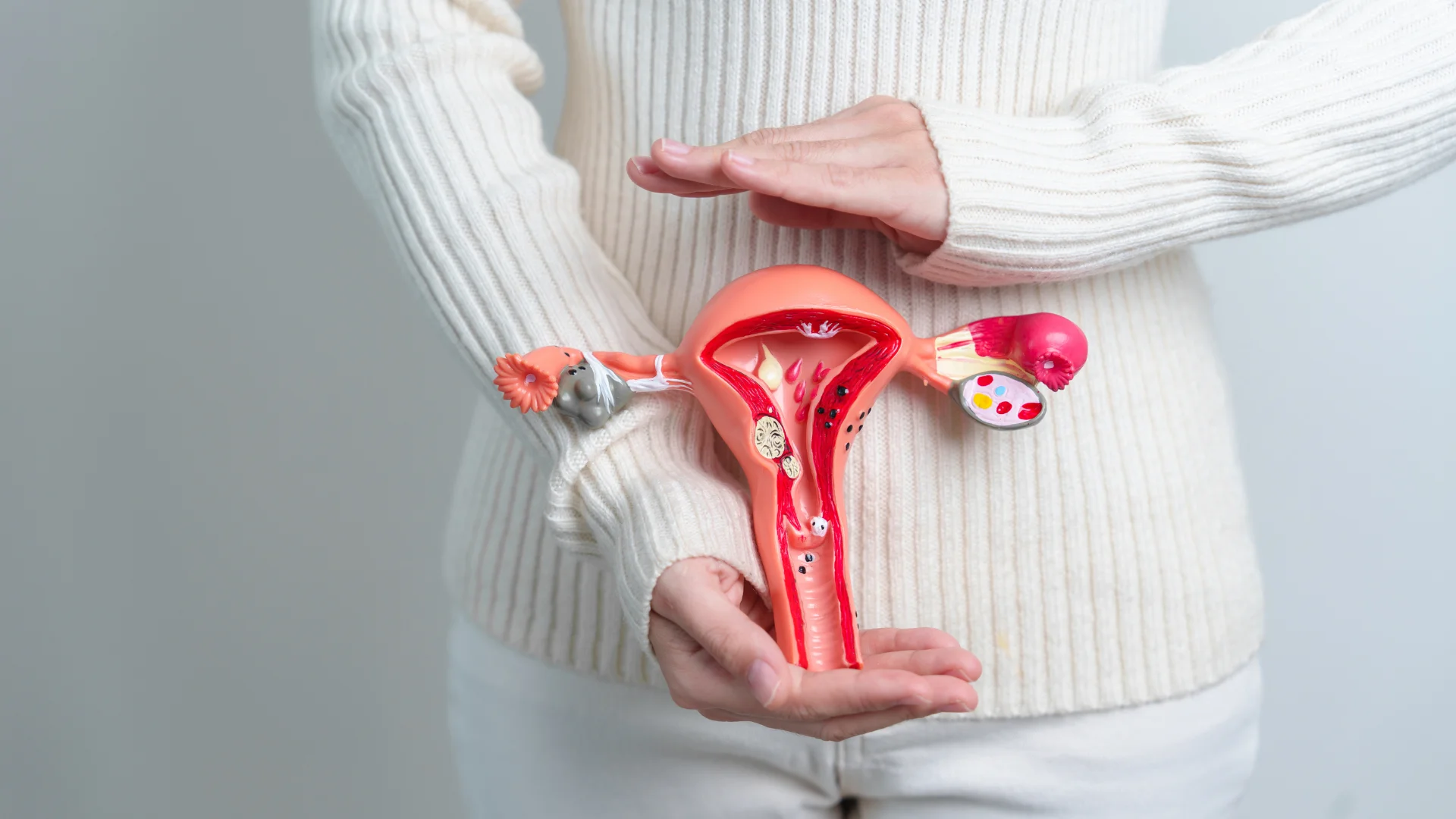
Fibroids
Expert Private Diagnosis & Treatment for Uterine Fibroids
Fibroids are one of the most common gynaecological conditions affecting women — yet many are left without a clear diagnosis or effective treatment plan for years. If you are experiencing heavy periods, pelvic pain, bloating, or pressure symptoms, fibroids may be the cause. At Gynaeaesthetics London, Mr Mohammad Masood offers fast private fibroid diagnosis and a full range of treatment options across Essex and East London — with same-week appointments available and no GP referral needed.
What Are Fibroids?
Uterine fibroids — also known as leiomyomas or myomas — are non-cancerous growths that develop in or around the uterus. They are made up of muscle and fibrous tissue and can vary enormously in size — from as small as a pea to as large as a melon in some cases. A woman may have a single fibroid or multiple fibroids at the same time.
Fibroids are extremely common — affecting up to 70 percent of women by the age of 50 — and while many cause no symptoms at all, others can lead to significant discomfort, heavy bleeding, and a considerable impact on quality of life. Fibroids are almost always benign and are not associated with an increased risk of cancer.
Types of Fibroids
Fibroids are classified according to their location within or around the uterus:
Intramural Fibroids
The most common type, intramural fibroids grow within the muscular wall of the uterus. Depending on their size, they can cause the uterus to appear enlarged and may lead to heavy periods, pelvic pain, and pressure symptoms.
Submucosal Fibroids
These fibroids develop just beneath the inner lining of the uterus and bulge into the uterine cavity. Even small submucosal fibroids can cause significant heavy bleeding and are also associated with fertility difficulties and recurrent miscarriage.
Subserosal Fibroids
Subserosal fibroids grow on the outer surface of the uterus and can become very large. They may cause pressure symptoms on surrounding organs — including the bladder and bowel — as well as lower back pain and pelvic discomfort.
Pedunculated Fibroids
These fibroids grow on a stalk — either inside or outside the uterus. Pedunculated fibroids can sometimes twist on their stalk, causing sudden and severe pain that requires prompt medical attention.
Cervical Fibroids
A less common type, cervical fibroids develop in the wall of the cervix and can cause pressure symptoms, discomfort during sex, and in some cases difficulties during childbirth.
Symptoms of Fibroids
Many fibroids cause no symptoms at all and are discovered incidentally during a routine scan or examination. However, when symptoms do occur they can range from mildly inconvenient to severely disruptive. Common symptoms include:
- Heavy, prolonged, or painful periods — often the most significant symptom
- Passing large blood clots during periods
- Pelvic pain, pressure, or a feeling of heaviness in the lower abdomen
- Bloating or an enlarged abdomen
- Frequent need to urinate or difficulty emptying the bladder fully
- Constipation or difficulty with bowel movements
- Pain during sexual intercourse
- Lower back or leg pain
- Anaemia and associated fatigue, breathlessness, and brain fog caused by heavy blood loss
- Fertility difficulties or recurrent miscarriage — particularly with submucosal fibroids
What Causes Fibroids?
The exact cause of fibroids is not fully understood, but several factors are known to influence their development and growth:
Hormones
Oestrogen and progesterone — the two main female hormones — stimulate the growth of fibroids. This is why fibroids tend to grow during the reproductive years and shrink after menopause when hormone levels decline significantly.
Genetics
Fibroids tend to run in families, suggesting a genetic predisposition. If your mother or sister has had fibroids, you may be at a higher risk of developing them yourself.
Ethnicity
Fibroids are significantly more common and tend to be more severe in women of African or Caribbean heritage — occurring up to three times more frequently than in white women and often developing at a younger age.
Other Factors
Additional factors that may increase the risk of developing fibroids include being overweight or obese, a diet high in red meat and low in green vegetables and fruit, and a deficiency in vitamin D.
How Are Fibroids Diagnosed?
At Gynaeaesthetics London, diagnosis begins with a thorough private consultation with Mr Mohammad Masood. He will take a detailed history of your symptoms, menstrual cycle, and medical background before recommending the appropriate investigations.
Pelvic Ultrasound
The primary diagnostic tool for fibroids, a pelvic ultrasound can clearly identify the presence, number, size, and location of fibroids within and around the uterus. A transvaginal ultrasound — where a small probe is gently inserted into the vagina — provides a more detailed view of the uterus and is the most accurate form of ultrasound assessment for fibroids.
Sonohysterography
A specialist ultrasound technique in which saline is introduced into the uterine cavity to provide a clearer view of submucosal fibroids and the inner lining of the womb.
MRI Scan
An MRI scan provides highly detailed imaging of the uterus and fibroids — including their precise size, number, and location — and is particularly useful when surgical planning is required or where the ultrasound findings are inconclusive.
Hysteroscopy
A camera examination of the inside of the womb that can directly visualise submucosal fibroids and the uterine cavity. It can also be used to take a biopsy of the womb lining where indicated.
Blood Tests
Blood tests including a full blood count will be arranged to check for anaemia caused by heavy blood loss, alongside any other relevant investigations.
Treatment Options
The right treatment for fibroids depends on the size, number, and location of the fibroids, the severity of your symptoms, your age, and whether you are planning a future pregnancy. Mr Masood will discuss all available options with you thoroughly and together you will agree on the most appropriate plan.
Watchful Waiting
For fibroids that are small and causing minimal or no symptoms — particularly in women approaching menopause, when fibroids typically shrink naturally — a period of careful monitoring may be all that is required.
Hormonal Treatments
A range of hormonal treatments can help manage fibroid symptoms — particularly heavy bleeding — without removing the fibroids themselves:
- The Mirena coil — highly effective at reducing heavy bleeding associated with fibroids
- Combined oral contraceptive pill or progesterone-only treatments
- GnRH analogues — injections that temporarily suppress oestrogen production, causing fibroids to shrink. These are often used prior to surgery to reduce fibroid size and blood loss during an operation
- Ulipristal acetate — a selective progesterone receptor modulator that can reduce fibroid size and control heavy bleeding
Non-Surgical Procedures
- Uterine Artery Embolisation (UAE) — a minimally invasive radiological procedure in which the blood supply to the fibroids is blocked, causing them to shrink. It is an effective option for women who wish to avoid surgery and is performed by an interventional radiologist. Mr Masood can refer for this procedure where appropriate.
- MRI-Guided Focused Ultrasound — a non-invasive procedure that uses high-intensity focused ultrasound waves to heat and destroy fibroid tissue. Availability is limited but Mr Masood can discuss and refer for this where indicated.
Hysteroscopic Myomectomy
The surgical removal of submucosal fibroids from inside the uterine cavity using a hysteroscope — a small camera inserted through the cervix. This procedure does not require any incisions and has a very short recovery time. It is particularly effective for improving heavy bleeding and fertility in women with submucosal fibroids.
Laparoscopic Myomectomy
The minimally invasive keyhole surgical removal of fibroids from the wall or outer surface of the uterus. This is the preferred surgical option for women who wish to preserve their uterus and maintain their fertility. Mr Masood is an experienced laparoscopic surgeon and performs myomectomy with precision and care — minimising blood loss, reducing recovery time, and preserving the integrity of the uterus.
Open Myomectomy
In cases where fibroids are very large or numerous, open surgery via a larger abdominal incision may be required to remove them safely. Mr Masood will only recommend open surgery when minimally invasive options are not appropriate and will always discuss this with you fully beforehand.
Laparoscopic Hysterectomy
For women with severe symptoms who have completed their family and have not responded to other treatments, a laparoscopic hysterectomy — the complete removal of the uterus — offers a definitive and permanent solution. Mr Masood performs hysterectomy using a minimally invasive keyhole approach wherever possible, resulting in a faster recovery and less postoperative discomfort compared to open surgery.
Fibroids & Fertility
Fibroids can affect fertility in several ways depending on their size and location — particularly submucosal fibroids, which distort the uterine cavity and can prevent implantation or increase the risk of miscarriage. However, many women with fibroids conceive naturally and have uncomplicated pregnancies.
If you have fibroids and are trying to conceive — or are planning a pregnancy in the future — it is important to have a thorough assessment so that any fibroids affecting your fertility can be identified and treated appropriately. Mr Masood takes a fertility-focused approach to fibroid management and will always take your reproductive goals into account when recommending treatment.
The Impact of Fibroids on Daily Life
The impact of fibroids on a woman’s quality of life is often significantly underestimated. Heavy periods can cause iron deficiency anaemia, leading to debilitating fatigue, breathlessness, and poor concentration. Pelvic pain and pressure can interfere with exercise, work, and everyday activities. Many women feel anxious, embarrassed, or restricted during their period — avoiding social engagements, struggling at work, and feeling that their life is being controlled by their symptoms.
These are not trivial concerns. Fibroids are a serious medical condition that deserves prompt, expert attention — and effective treatment can be truly life-changing.
Why Choose Gynaeaesthetics London?
- Specialist fibroid care led by Mr Mohammad Masood
- Comprehensive diagnosis including ultrasound, MRI, and hysteroscopy
- Full range of medical, non-surgical, and surgical treatment options
- Experienced laparoscopic myomectomy and hysterectomy surgeon
- Fertility-focused approach for women planning a pregnancy
- No GP referral needed
- Same-week appointments available
- Clinics in Hornchurch, Brentwood, and Ilford
- Sensitive and compassionate approach throughout
- Fully confidential from start to finish
- Consultations from £200
Frequently Asked Questions
Fibroids are almost always benign and are not associated with an increased risk of uterine cancer. In extremely rare cases a malignant fibroid — known as a leiomyosarcoma — can occur, but this is exceptionally uncommon. Mr Masood will always ensure appropriate investigations are carried out to provide complete reassurance.
Fibroids often shrink naturally after menopause when oestrogen levels decline. In some cases hormonal treatments can also cause fibroids to reduce in size. However, fibroids do not disappear entirely without treatment in most cases.
Not necessarily. There are many effective treatment options for fibroids that preserve the uterus — including myomectomy, uterine artery embolisation, and hormonal treatments. A hysterectomy is only recommended when other treatments have not provided sufficient relief and the patient has completed her family.
Following myomectomy, there is a possibility that new fibroids may develop over time — particularly in younger women with many years of reproductive life remaining. The risk of recurrence is lower following hysterectomy as the uterus is removed entirely. Mr Masood will discuss the likelihood of recurrence and long-term management during your consultation.
We offer same-week private appointments across our clinics in Essex and East London. Simply get in touch and our team will arrange your consultation as quickly as possible.
Our Services
Book Your Consultation Today
Don't put it off any longer. Get fast, private, consultant-led care at a clinic near you — with no GP referral needed and appointments often available within the same week.