Our Working Time: 09:00 am To 06:00 pm


Laparoscopic Hysterectomy
Minimally Invasive Hysterectomy by a Specialist Consultant Gynaecologist
A hysterectomy is one of the most significant decisions a woman can make about her health — and choosing the right surgeon and the right approach is essential. At Gynaeaesthetics London, Mr Mohammad Masood performs laparoscopic hysterectomy using a minimally invasive keyhole technique that significantly reduces recovery time, minimises scarring, and delivers excellent surgical outcomes. Expert consultant-led care across Essex and East London with no GP referral needed.
What Is a Hysterectomy?
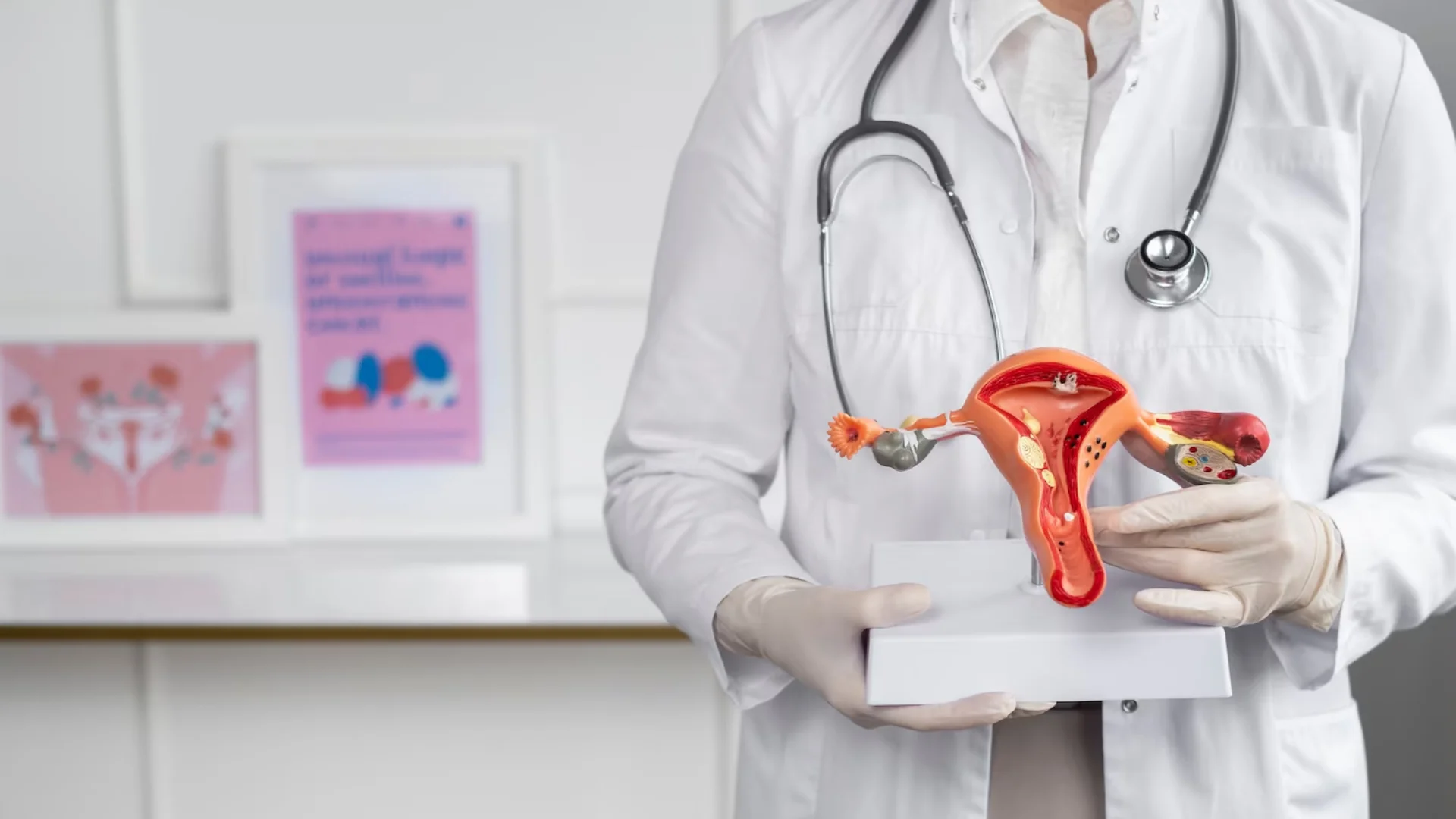
A hysterectomy is a surgical procedure to remove the uterus — the womb. It is one of the most commonly performed gynaecological operations in the UK and is recommended for a range of conditions including fibroids, endometriosis, adenomyosis, prolapse, and in some cases cancer.
Following a hysterectomy, a woman will no longer have periods and will be unable to become pregnant. If the ovaries are also removed — a procedure known as a bilateral oophorectomy — surgical menopause will occur immediately after the operation.
A hysterectomy is always considered carefully and only recommended when other treatment options have been exhausted or are not appropriate. Mr Masood will always ensure you have a thorough understanding of the procedure, its implications, and all available alternatives before any decision is made.
What Is a Laparoscopic Hysterectomy?
A laparoscopic hysterectomy — also known as keyhole hysterectomy — is a minimally invasive surgical technique in which the uterus is removed through a series of small incisions in the abdomen rather than a single large cut. A tiny camera — the laparoscope — is inserted through one of the incisions to allow the surgeon to view the pelvic organs on a screen, while specialised surgical instruments are used through the remaining incisions to perform the operation.
Compared to traditional open hysterectomy — which requires a large abdominal incision — laparoscopic hysterectomy offers significant advantages including:
- Smaller incisions and significantly reduced scarring
- Less postoperative pain and discomfort
- A faster recovery time — most women return to normal activities within four to six weeks rather than the six to twelve weeks typically required after open surgery
- A shorter hospital stay — often as a day case or one overnight stay
- A lower risk of wound complications and infection
- An earlier return to work and everyday life
Mr Masood is an experienced laparoscopic surgeon and performs hysterectomy using this minimally invasive approach wherever it is clinically safe and appropriate to do so.
Types of Hysterectomy
The extent of the hysterectomy — meaning which organs and structures are removed — will depend on the underlying condition being treated and your individual circumstances. Mr Masood will discuss the most appropriate type for you during your consultation.
Total Laparoscopic Hysterectomy (TLH)
The most commonly performed type, in which the entire uterus including the cervix is removed laparoscopically. The vaginal vault is then closed either laparoscopically or vaginally.
Laparoscopic Subtotal Hysterectomy (LSH)
The body of the uterus is removed while the cervix is left in place. This approach may be associated with a slightly faster recovery and preserved cervical support structures, though cervical screening will still be required following the procedure.
Laparoscopic Assisted Vaginal Hysterectomy (LAVH)
A combined approach in which laparoscopy is used to assist with the upper part of the dissection, with the remainder of the procedure completed vaginally. This approach may be recommended in certain clinical circumstances.
Total Laparoscopic Hysterectomy with Bilateral Salpingo-Oophorectomy (TLH-BSO)
The removal of the uterus, cervix, both fallopian tubes, and both ovaries. This may be recommended for conditions such as endometriosis, ovarian cysts, or where there is a significant family history of ovarian cancer. Removal of both ovaries will result in immediate surgical menopause.
Laparoscopic Hysterectomy with Salpingectomy
Removal of the uterus alongside one or both fallopian tubes — leaving the ovaries in place. This approach preserves natural hormonal function while removing the tubes, which also reduces the long-term risk of ovarian cancer.
Conditions Treated with Laparoscopic Hysterectomy
A laparoscopic hysterectomy may be recommended for the following conditions:
Fibroids
Large, multiple, or symptomatic fibroids that have not responded to medical or conservative surgical treatment — particularly in women who have completed their family.
Endometriosis
Severe or deeply infiltrating endometriosis that has not responded adequately to hormonal treatment or conservative surgery.
Adenomyosis
A condition where the womb lining grows into the muscular wall of the uterus, causing heavy, painful periods that have not responded to other treatments. Hysterectomy is the only definitive cure for adenomyosis.
Heavy Periods — Menorrhagia
Severe, debilitating heavy periods that have not responded to hormonal treatments, coil fitting, or endometrial ablation — and where the woman has completed her family.
Pelvic Organ Prolapse
In some cases of significant uterine prolapse, hysterectomy may be recommended alongside pelvic floor repair to provide the most effective and durable result.
Gynaecological Cancer
Hysterectomy may be recommended as part of the treatment for cancers of the uterus, cervix, or ovaries. Mr Masood will discuss the most appropriate surgical approach and refer to the appropriate cancer multidisciplinary team where indicated.
Chronic Pelvic Pain
In carefully selected cases where chronic pelvic pain has been proven to originate from the uterus and has not responded to other treatments, hysterectomy may be considered as a last resort.
How Is the Procedure Performed?
Before Surgery
Your journey begins with a thorough private consultation with Mr Mohammad Masood. He will take a detailed history of your symptoms and medical background, review all relevant investigations, discuss all available treatment options, and answer every question you have — with no pressure and no rush.
Pre-operative investigations will be arranged including blood tests, an ECG if appropriate, and any additional imaging required for surgical planning. You will be given clear instructions regarding preparation for surgery including fasting guidelines and any medication adjustments needed beforehand.
The Procedure
Laparoscopic hysterectomy is performed under general anaesthetic. Mr Masood makes three to four small incisions in the abdomen — typically less than one centimetre each — through which the laparoscope and surgical instruments are inserted.
Carbon dioxide gas is used to gently inflate the abdominal cavity, creating space for the surgeon to work safely. Mr Masood carefully dissects and divides the ligaments, blood vessels, and supporting structures of the uterus before removing it — either through the vagina or, in the case of a subtotal hysterectomy, in small pieces through the laparoscopic ports.
The procedure typically takes between one and three hours depending on the complexity of the case and the extent of the surgery required.
After Surgery
Following the procedure you will be monitored in the recovery area and then transferred to the ward. Most women undergoing laparoscopic hysterectomy are discharged home the same day or after one overnight stay. You will be provided with full written aftercare instructions, a prescription for appropriate pain relief, and a direct contact for any questions or concerns during your recovery.
Recovery After Laparoscopic Hysterectomy
One of the most significant advantages of laparoscopic hysterectomy over open surgery is the considerably faster recovery. However it is still a major surgical procedure and adequate rest and recovery time are essential.
What to expect during recovery:
- Mild to moderate abdominal discomfort and bloating in the first one to two weeks — well managed with prescribed pain relief
- Shoulder tip pain caused by residual carbon dioxide gas — this typically resolves within a day or two
- Light vaginal bleeding or discharge for up to four to six weeks following surgery
- Fatigue — particularly in the first two to three weeks — which gradually improves
- Most women are able to return to light desk-based work within two to three weeks
- Driving can typically be resumed within two to four weeks — once you are comfortable performing an emergency stop
- Strenuous exercise, heavy lifting, and sexual activity should be avoided for a minimum of six to eight weeks
- Full recovery and return to all normal activities is typically achieved within four to six weeks for laparoscopic surgery — compared to six to twelve weeks for open surgery
Follow-up appointments will be scheduled to monitor your recovery, review your histology results, and ensure you are healing well and feeling supported throughout the postoperative period.
Life After Hysterectomy
Understanding what to expect after a hysterectomy is an important part of making an informed decision about surgery. Mr Masood will discuss all of the following with you during your consultation:
Periods
Following a total hysterectomy, periods will stop permanently. Following a subtotal hysterectomy — where the cervix is preserved — some women may experience light monthly spotting.
Menopause
If your ovaries are preserved during the hysterectomy, you will continue to produce hormones naturally and will not enter menopause as a result of the surgery. Natural menopause will still occur at the normal age. If both ovaries are removed, surgical menopause will occur immediately — and HRT will typically be recommended to manage menopausal symptoms and protect long-term bone and cardiovascular health.
Fertility
Following a hysterectomy, pregnancy is no longer possible. This is a permanent and irreversible change that must be carefully considered before proceeding with surgery. Mr Masood will always ensure you have had sufficient time and support to reach a fully informed decision.
Sexual Wellbeing
Most women find that sexual function is not adversely affected by hysterectomy — and many report an improvement in sexual wellbeing following relief from painful or heavy periods. Recovery of full sexual function typically takes six to eight weeks following surgery.
Long-Term Health
Women who have had a hysterectomy — particularly with ovarian preservation — do not face significant long-term health risks as a result of the surgery. Those who have had both ovaries removed will require ongoing management of surgical menopause and monitoring of bone density and cardiovascular health.
Why Choose Gynaeaesthetics London?
- Experienced laparoscopic hysterectomy surgeon — Mr Mohammad Masood
- Minimally invasive keyhole technique — faster recovery, less scarring
- Full range of hysterectomy types tailored to your condition and needs
- Comprehensive preoperative assessment and surgical planning
- Thorough postoperative care and follow-up
- No GP referral needed
- Private consultations available same week
- Clinics in Hornchurch, Brentwood, and Ilford
- Sensitive, honest, and unhurried approach throughout
- Fully confidential from start to finish
- Consultations from £200
Frequently Asked Questions
Most women undergoing laparoscopic hysterectomy are discharged home the same day or after one overnight stay. This compares very favourably with open hysterectomy, which typically requires a three to five day hospital stay.
Only if both ovaries are removed at the same time. If your ovaries are preserved, your hormonal function will continue normally and you will not experience surgical menopause. Natural menopause will still occur at the expected age.
Most women are able to return to desk-based work within two to three weeks of laparoscopic hysterectomy. Those with more physically demanding jobs may require four to six weeks before returning to full duties.
Laparoscopic hysterectomy is a well-established and safe procedure when performed by an experienced surgeon. As with all major surgery, there are risks — including bleeding, infection, and injury to surrounding structures — which Mr Masood will discuss with you in full during your consultation so you can make a fully informed decision.
Previous abdominal surgery does not necessarily prevent a laparoscopic approach, though it may increase the complexity of the procedure due to adhesions or scar tissue. Mr Masood will assess your individual circumstances carefully during your consultation and advise on the most appropriate surgical approach for you.
Following a total hysterectomy — where the cervix is removed — cervical screening is no longer required. Following a subtotal hysterectomy — where the cervix is preserved — cervical screening should continue as normal.
Our Services
Book Your Consultation Today
Don't put it off any longer. Get fast, private, consultant-led care at a clinic near you — with no GP referral needed and appointments often available within the same week.